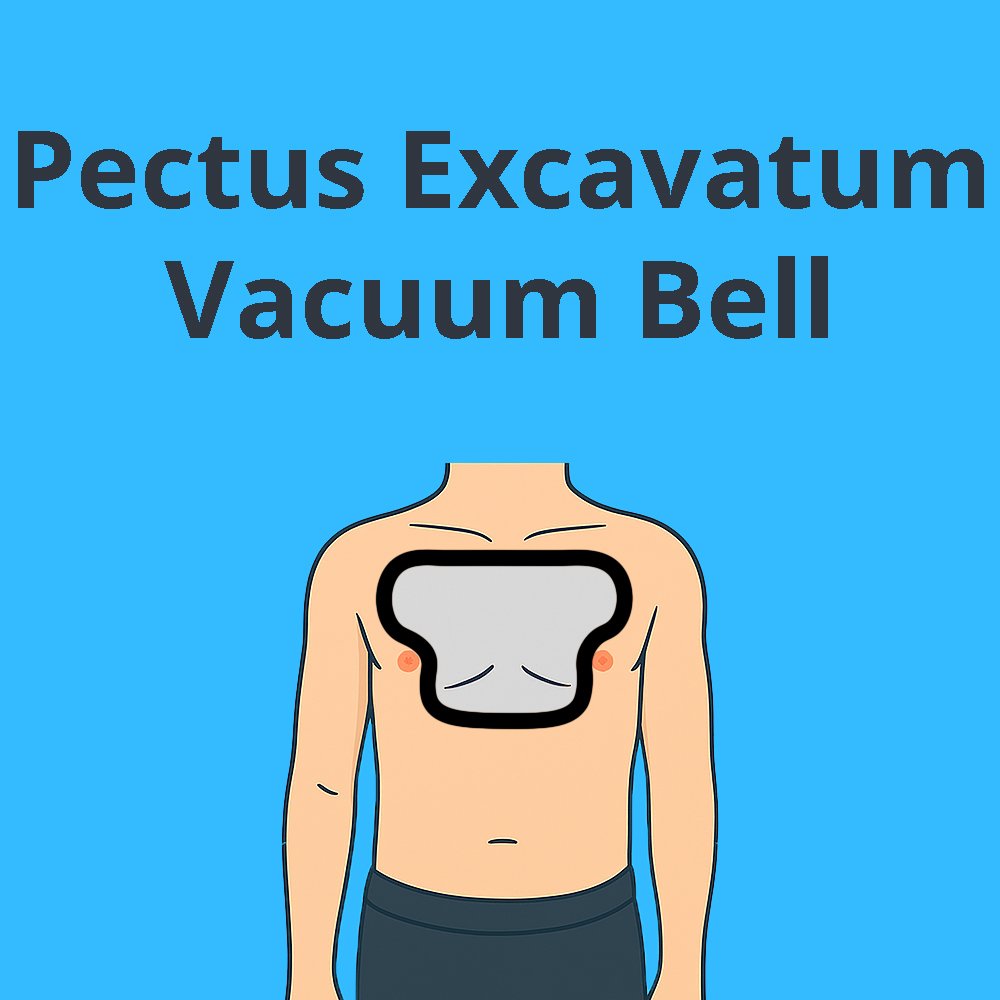
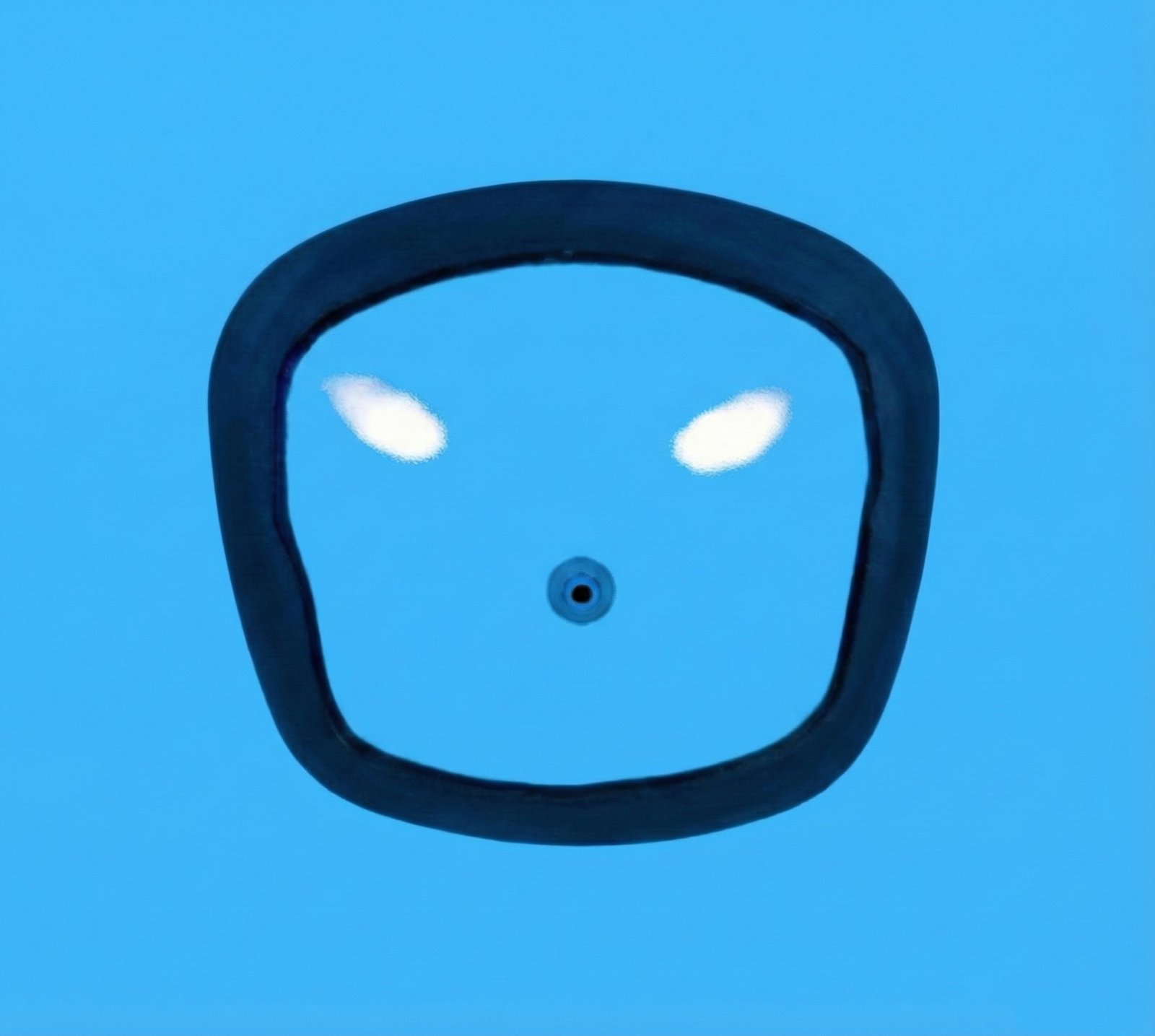
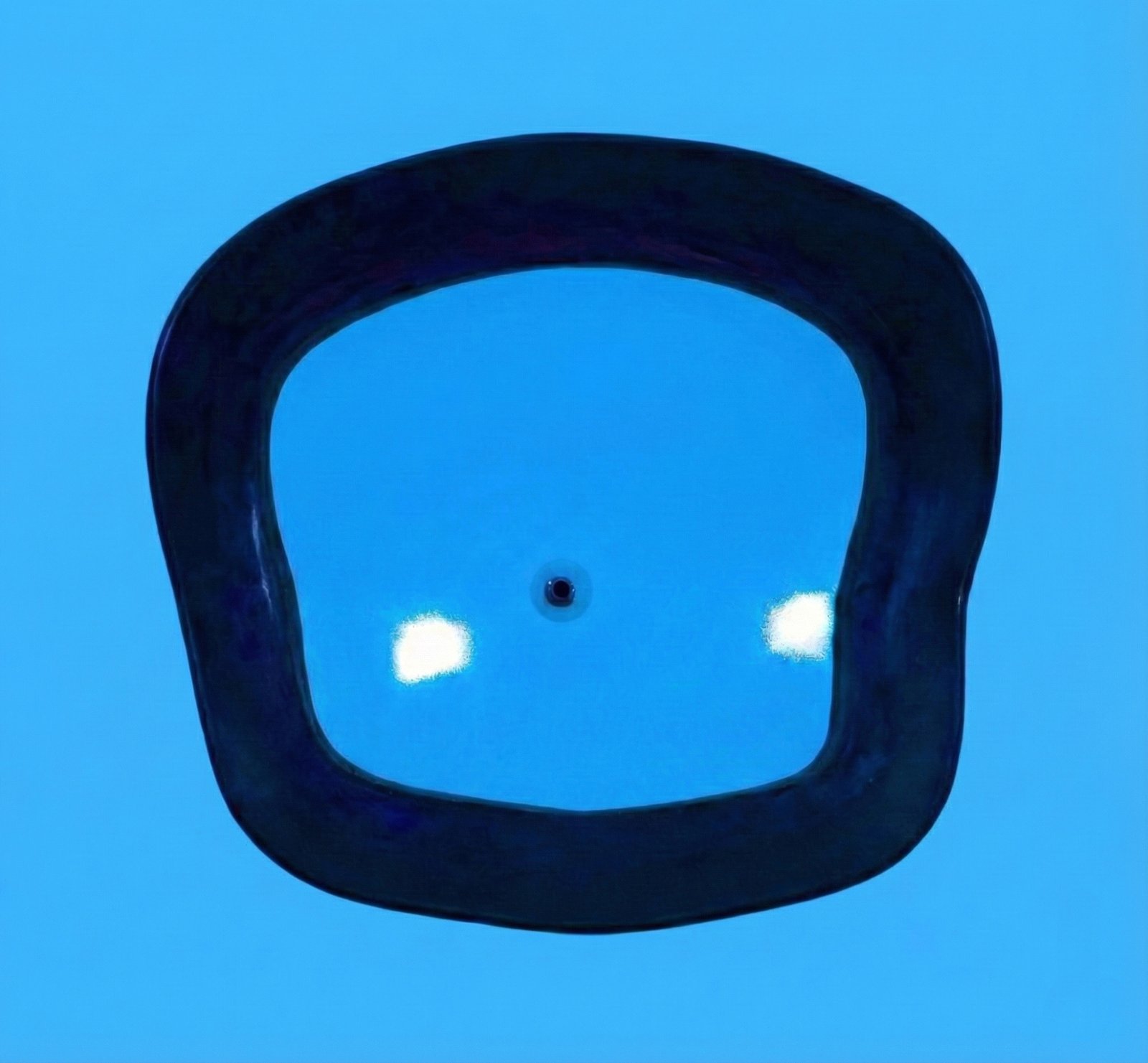
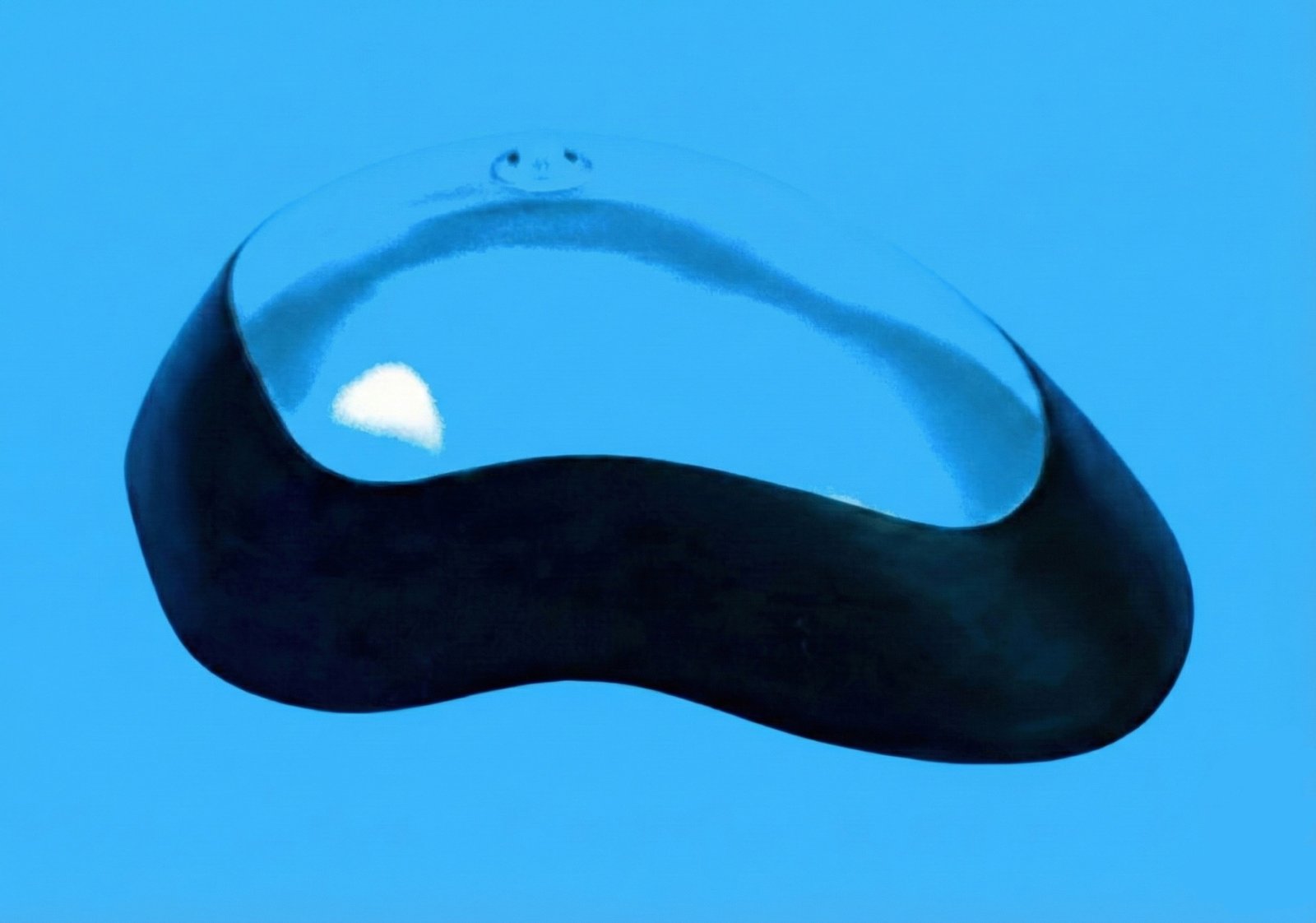
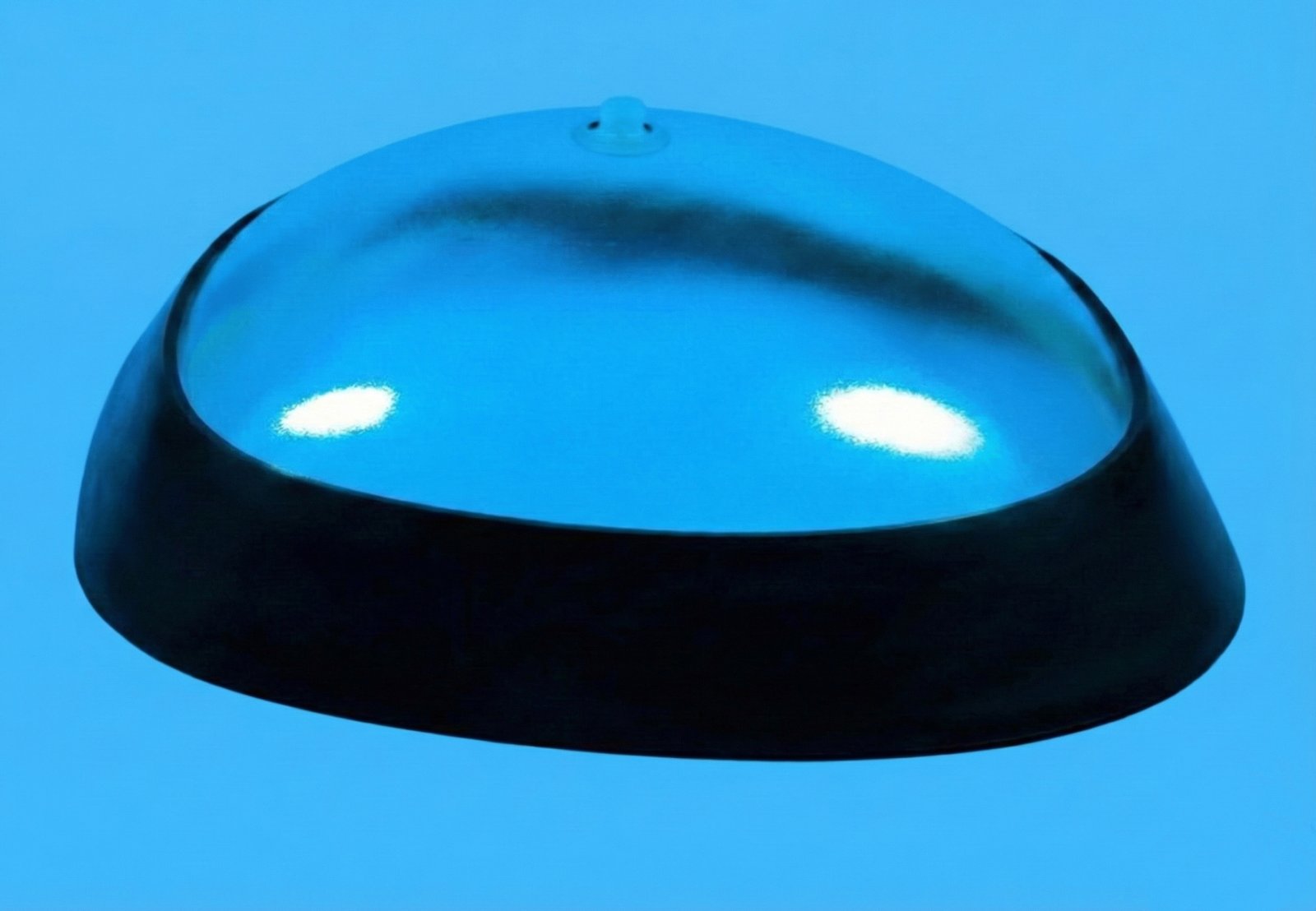
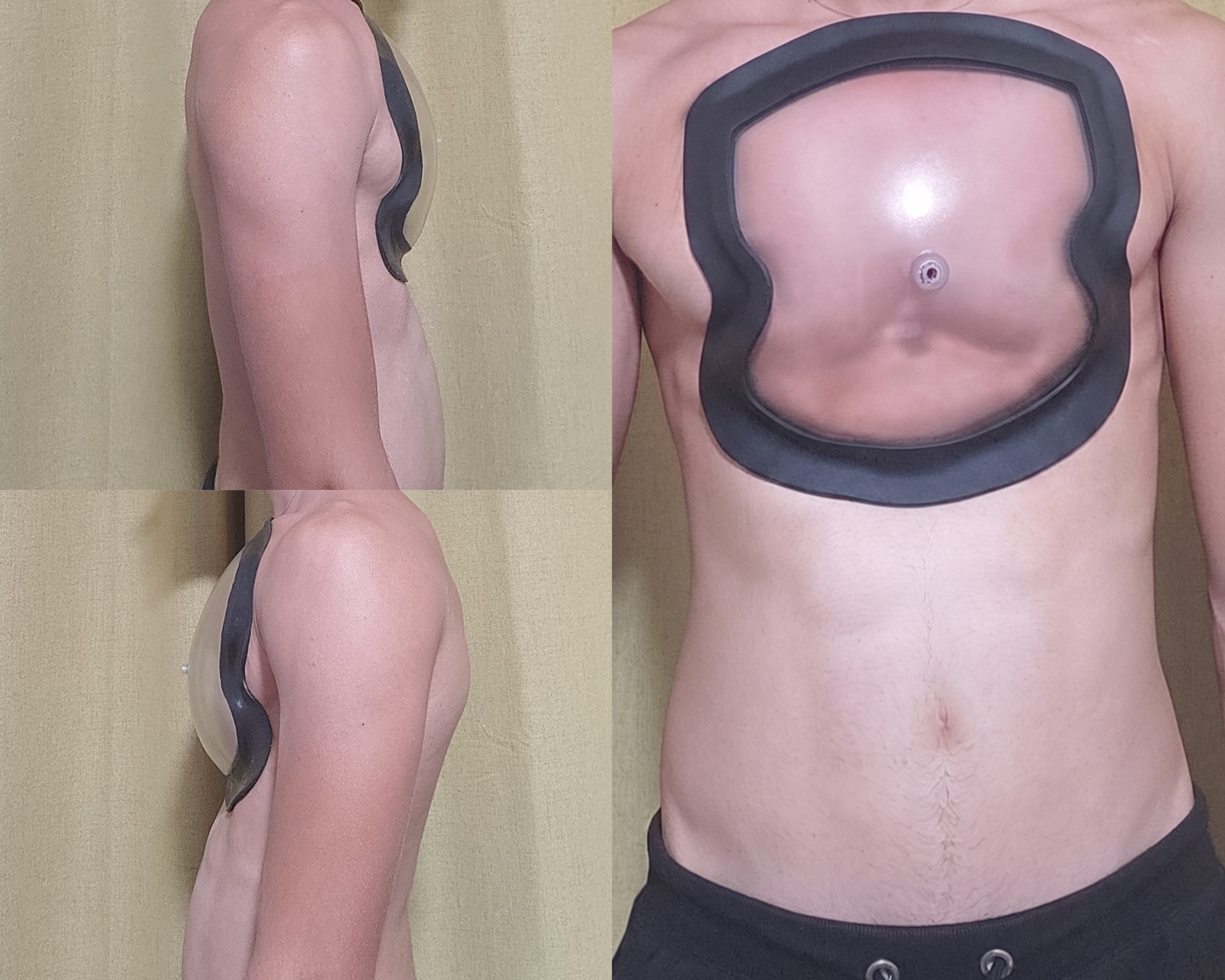
Our Vacuum Bell system represents the pinnacle of non-invasive sternum lifting technology, combining modern precision manufacturing with well-established therapeutic principles. Each vacuum bell is fully custom made to the individual client using detailed 3D modeling of the chest anatomy, ensuring optimal fit, contact, and pressure distribution with millimeter-level precision.
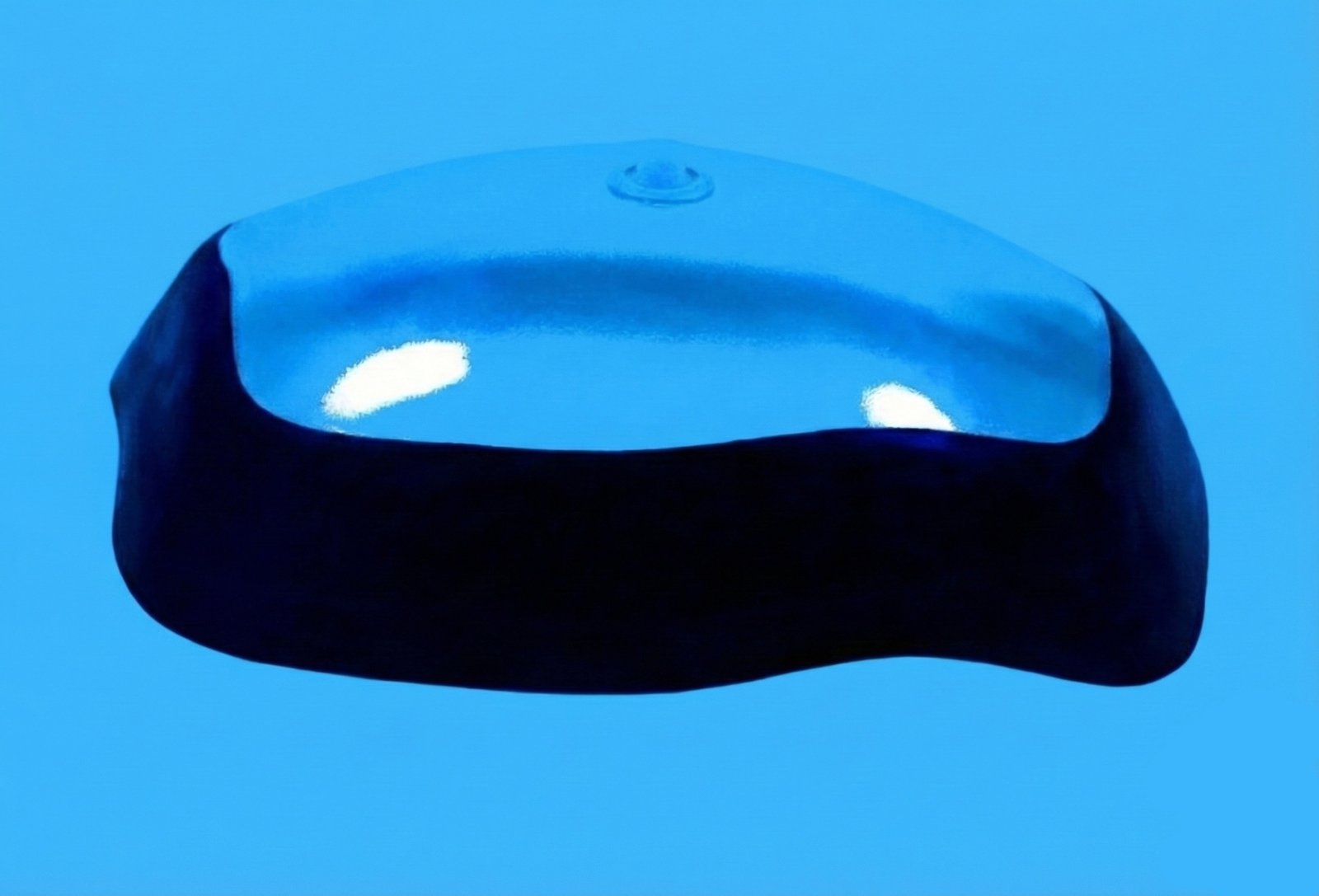
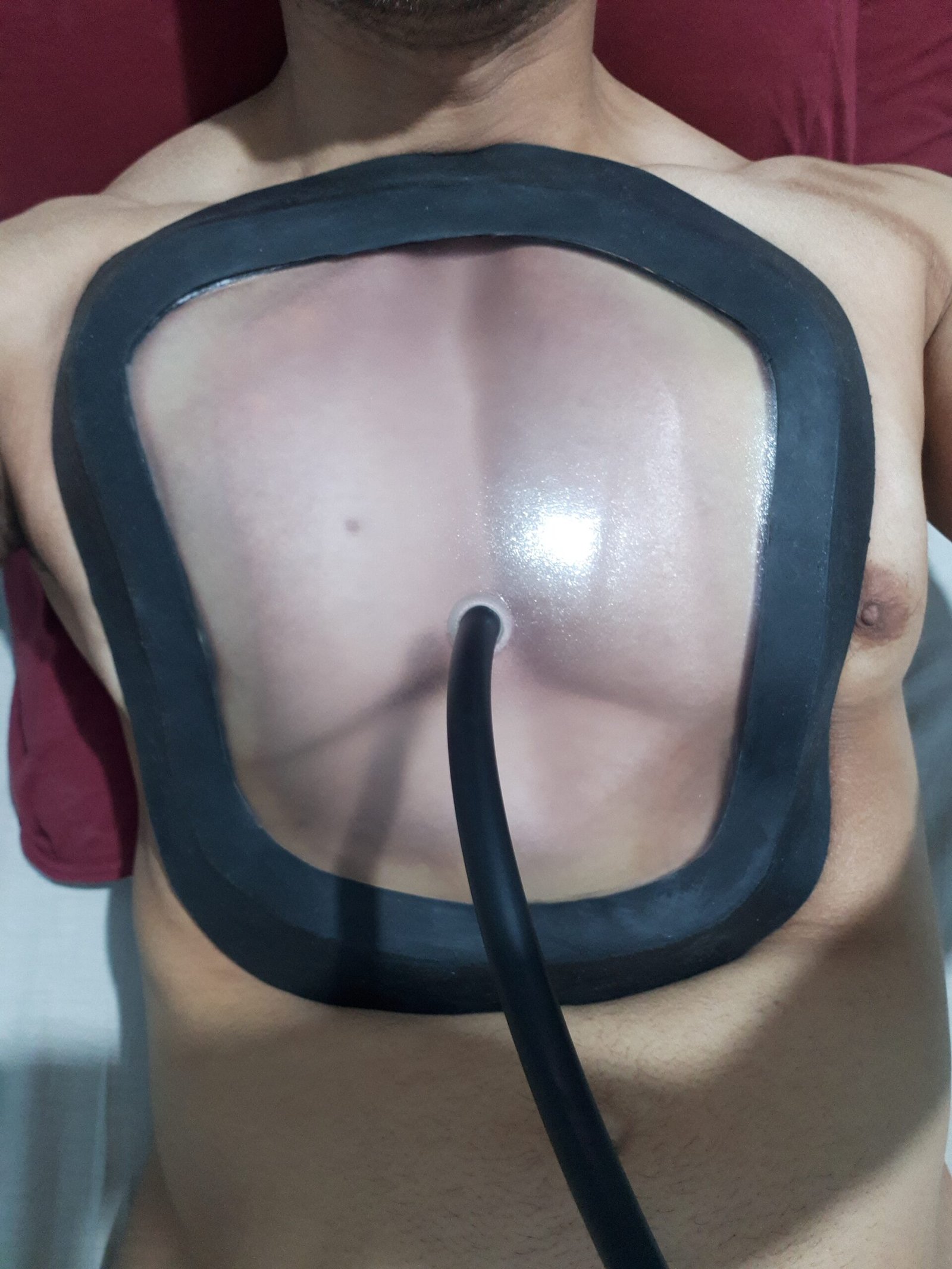
The device features a fully transparent construction, allowing complete visual access to the treatment area during use. This transparency enables direct observation of sternum elevation and tissue response throughout each session. Controlled negative pressure is generated to gently elevate the depressed sternum while simultaneously stretching shortened chest muscles and connective tissues.
A precision-engineered medical-grade silicone rim with an integrated flexible flap surrounds the base of the bell. This silicone interface acts as a soft cushion where the device contacts the client’s chest, improving comfort while creating a reliable airtight seal that helps prevent air leakage and reduces localized tissue stress. The one-way valve automatically seals the vacuum once the hose is disconnected, maintaining negative pressure without the need for continuous hose attachment and allowing greater freedom of movement during treatment sessions. The system is designed for durability and consistent performance across thousands of therapeutic cycles.
Important Treatment Considerations
While the vacuum bell can be purchased as a standalone device, we strongly advise against using it in isolation. Vacuum bell therapy must be properly integrated with our bracing system and structured training protocols. When used incorrectly or without bracing support, the temporary lifting effect may contribute to increased chest wall instability and suboptimal outcomes.
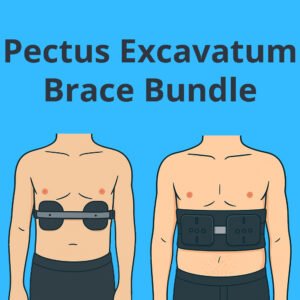
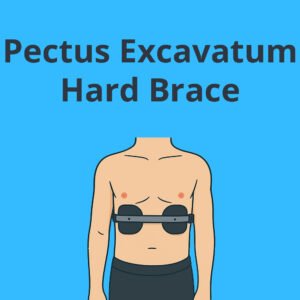
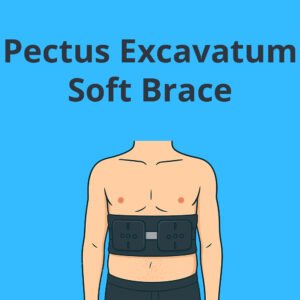
The vacuum bell is intended to complement brace therapy—not replace it. For optimal and lasting results, it should be used in conjunction with our hard and soft brace systems, ensuring that sternum elevation is supported by appropriate muscular strengthening, postural correction, and continuous corrective forces provided by bracing.